Skid Steer or Second Tractor? How I'd Make the Call
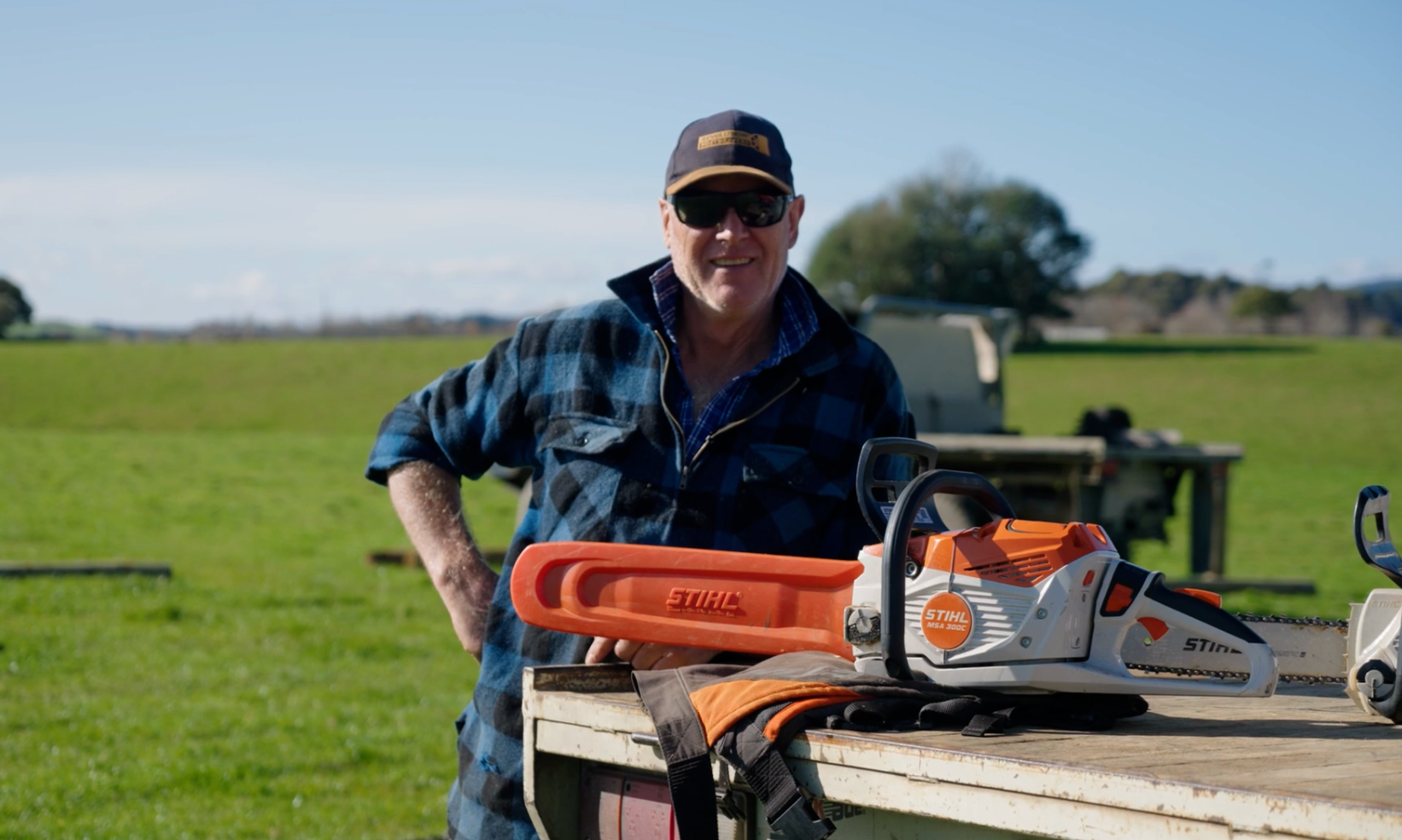
I've been on the tools fencing for more than thirty years, and I designed the world's first rotational post driver along the way to improve our systems. Once you're running a business and growing it, the machine in front of you becomes part of the system, because that's what decides whether you get leaner, do more, and earn more as you operate and grow.
These days I run my own gear as one system instead of a shed full of single-purpose machines. We build the Revolution rammers, but we don't sell skid steers, so this isn't me pushing something we stock. It's how I'd set a fencing business up today, put down as another way to look at it.
Every machine you buy should earn three ways
A system is gear and workers that work together and earn across the whole job, not a row of machines that each do one thing. The way I see it, every dollar you put into a machine should buy you three things: versatility, so its earnings aren't just posting; consider resale, so you get your money back when you move it on, and the broader the buyer base the better; and the ability to do the work with fewer workers. A single-purpose machine gives you one of those if you're lucky.
Once you start thinking that way, the question changes. It stops being which post driver is best, and becomes which setup lets me turn up to a job, do the lot, charge for all of it, and still sell the gear well when I upgrade. For a lot of fencers here, that points to a skid steer with a rammer on the front, run alongside a tractor.
Adding capacity: a second tractor, or a skid steer?
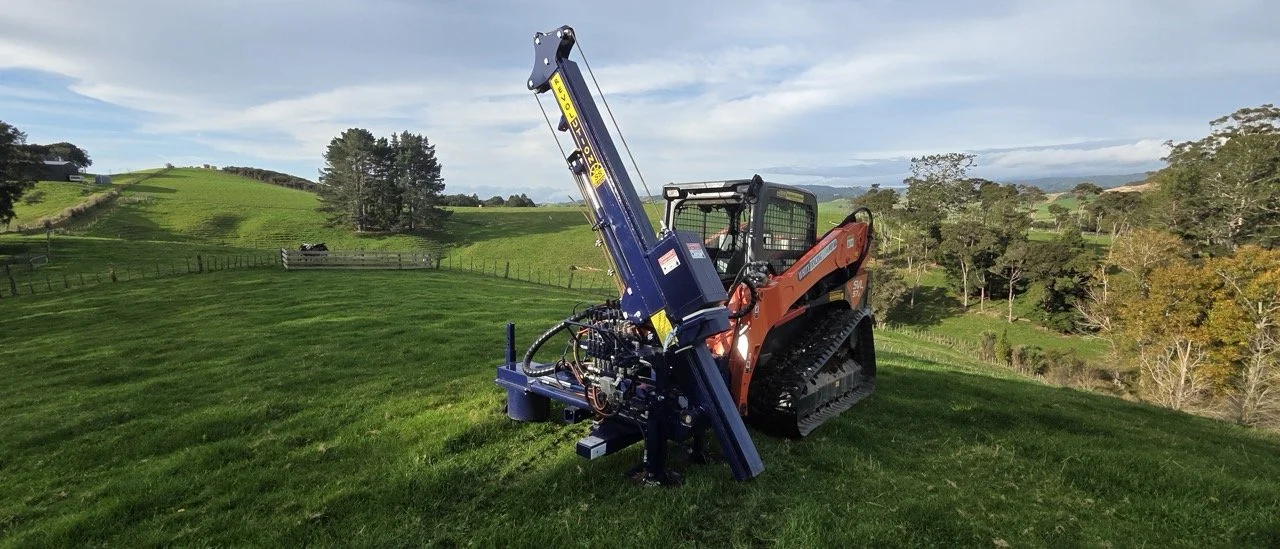
When the work picks up and you need to put in more posts, there are two ways to go. The familiar one is to duplicate: buy a second tractor and rammer, put another driver on it, and run two crews the same way you ran one. It works, and plenty of good outfits do it. The other way is to add a skid steer and run a rammer you can move between the two.
I'm not telling you a second tractor's a mistake. But the skid steer is worth considering for one reason most people don't expect: it costs about the same. A 100-horsepower skid steer is roundabout the same money as the same-horsepower tractor. The new Kubota's about $136,000 for the 100-horse, and a new 110hp tractor is around $140,000. Pretty much line-ball. So you're not paying more to add the machine. You're paying about the same and getting something that does a whole lot more than drive posts.
There's a third option some fencers look at when they scale, an all-in-one tracked machine with the post driver built in. On the actual ramming it's much the same as a skid steer with a rammer on it. The thing to weigh up is what happens when you sell: a single-purpose tracked machine only sells to the short list of people who want exactly that, whereas a skid steer sells to any civil company, landscaper or farmer who'll run one. I'll pull that comparison apart properly in a separate piece. For here, just know it's a real consideration, and resale is the part that gets overlooked.
How I'd build a fencing operation from the ground up
If I were starting from scratch with a couple of staff, I'd build it in steps, and the order matters.
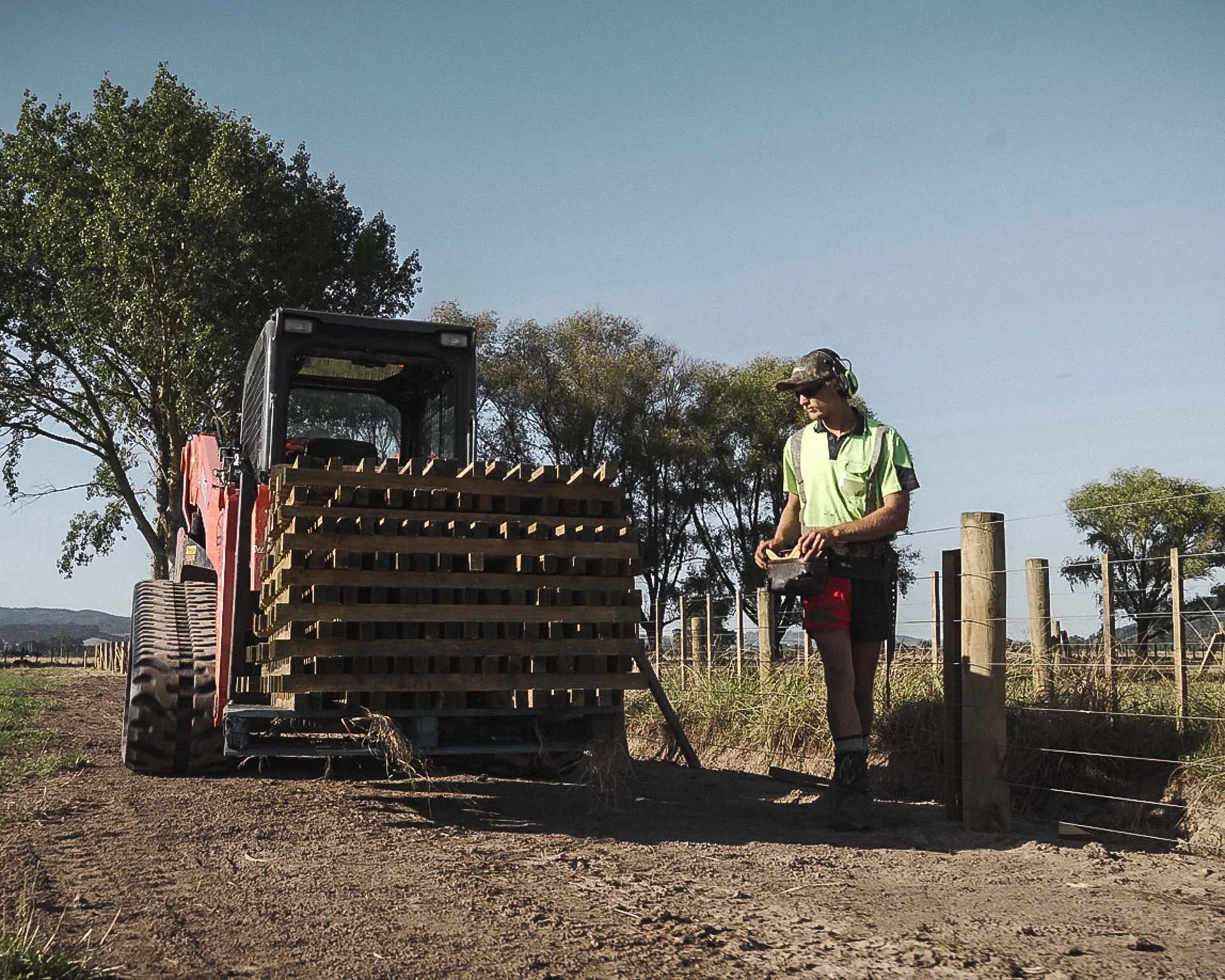
I'd start with a tractor and a rammer, and I'd fence my first couple of years running that. That's what establishes you, gets your name out and builds your market.
When the work's there to justify more, I wouldn't add a second tractor. I'd keep the tractor and add a skid steer as the second machine, and move my existing rammer onto the front of it. Our rammers come off the tractor and onto it as they are, so the rammer you've already got becomes your skid steer post driver, and the tractor turns into a loader and gear-cart that's still there for everything a tractor's good for. A whole lot of the range fits, the Swinga, the 180, SS or the RM, so you're not buying a special machine to do it.
Moving from a tractor and rammer into a tractor, skid steer and rammer, you're really only adding the price of the skid steer, about $100,000. You don't need to buy new; a tidy secondhand machine that's done a thousand hours is viable, and the remote-control package cuts down on labour costs and manpower needs. For that you've added a second machine that rams the line on its own, with the tractor still free for tractor work.
When you want a second driver going after that, you don't need another expensive rig. Throw a cheap rammer, even a ten-grand one, on the tractor for the simple stuff, banging in strainers and laying out gear, and leave the hard country to the skid steer. Now you've got two post drivers working at once. By the time you're there you'll have three or four people keeping those two rammers fed, and you're away.
What a skid steer does that a second tractor can't
A skid steer earns its keep because it does the whole fencing day, not just the ramming. With your rammer on the front it puts posts in just as well as the tractor does, so the ramming isn't where the difference is. It's everything else the skid steer does on the same job.
Start with what it lifts. My skid steer will carry three tonnes around the job and walk anywhere with it. There's not a tractor under 200 horsepower that'll do that. A normal utility tractor, 80 to 120 horse, carries about 1.2 tonne. On the ground that's the difference between picking up a wet bundle of strainers or a full packet of six-by-two in one go, and breaking it into trips.
Then there's what bolts on the front. You can buy seventy-odd tools off the shelf that clip straight onto a skid steer, a trencher, a slasher, a stump grinder, a blade, a bucket, the post driver. The same machine that rams the posts cuts the track in, rips out the old hedges and benches the line.
That versatility is what keeps you working when the weather turns. Say I've got a slippery ridge running down to a creek to fence in the middle of winter, and we've had four or five fine days. I can get in there, drop the blade, push a bench off so I've got fresh dry dirt with good traction, swap to the rammer and ram the lot inside a day. Then it can rain the next day and I don't care, because I'm off the hill. Do it the conventional way and you've either got your own digger sitting idle, or you're parked up waiting on a contractor to turn up and do his bit, and he arrives when the weather's good too. You could be waiting a week.
There's one honest catch I didn't know about when I started. A skid steer can't carry posts and ram at the same time. The rammer's on the front and there's no room for racks, so the gear gets laid out in a separate pass first. I set the rammer down, pick up the forks, lay the material out, put the rammer back on and drive the posts. It's an extra pass. In practice it's smaller than it sounds: a lot of the time the gear's pre-laid for you anyway, and you can run a tractor alongside the skid steer, one fella laying gear and ramming strainers off the tractor while the remote machine rams the line. But in saying that, with our 180 that has adjustable-position post racks I can lay out as I drive in posts and strainers, in easy-going country — not the real steep stuff, where I need the full 180 rotation.
What it changes: labour, resale and what you can charge
Five things actually make a fencing business: what the gear costs you, the jobs you can charge for, how many people it takes, your downtime, and what you get back when you sell. The skid-steer rig does all five.
Labour is the big one. A tractor and rammer is often a two-person job, especially if you don't have built-in base movement — someone on the tractor and someone working the post driver. Put the remote package on and the skid steer becomes a one-man band; one fella stands off on his own ramming posts while the rest of the crew stays ahead of him laying gear, running wire and doing the stay work. The line never waits on the rammer, so you get through a lot more in a day with the same crew.
On the work you can charge for, my fence rate might be thirty dollars a metre, but I can easily add another ten-plus a metre with the stuff the skid steer lets me do on the same job: laying gear, cleaning up the line, benching a face, putting in a culvert to get across a drain. The machine sitting on the trailer can't earn any of that. Mine's already on the property doing it.
Downtime and non-machine working time is reduced greatly. You're not parked up waiting on someone else's digger, and you can work the weather instead of being beaten by it.
Resale is where it really tells. The setup sells in pieces into a far bigger market. The rammer lifts onto any tractor, so it sells on its own, and the skid steer sells to any contractor, landscaper or farmer who wants one. You can sell the whole rig, sell the bits separately, or keep the rammer and update the machine under it. A single-purpose tracked fencing machine only ever sells as a worn tracked machine, to the short list of people who want exactly that.
And carting it all between jobs stays cheap. A lot of fellas run an older tractor, 120 or 130 horse, that you'll pick up for around $45,000, with a low-loader ag trailer behind it carrying the skid steer, the rammer and all the tools. You drive that to the next job. No truck, no certificate-of-fitness checks on those trailers, and the tractor's a utility machine the moment you get there. It's a bit slower on the road, but if your next job's five hours away and you're on it for three months, who cares.
Where Revolution fits
We make the rammers and the remote-control conversion that turns a skid steer into a fencing machine. We don't sell the skid steer, and I'm not going to talk you onto a platform you don't run or don't need. The way I've laid this out holds whether the rammer on the front is one of ours or not, and I'd rather say that than pretend otherwise.
Where we come in is the rammer, and the fact that it moves with you as you grow. The Telescopic Swinga or Telescopic 180 is built for the reach a skid steer wants on the line, and because it's a tractor-mount at heart it lifts straight back onto a tractor whenever you need it to. The remote-control conversion is what makes the one-man operation work. The auger and rock-spike kits handle the ground that fights back. If you want to spread the cost there are finance options, and if you want to talk any of it through for your own operation, come and talk to us.
Frequently asked questions
-
Add capability, not just another copy of what you've already got. Most fencers start with a tractor and rammer, then when the work grows, add a skid steer and move the rammer onto it rather than buying a second tractor. The skid steer does the earthworks, benching and material handling a fence line needs, so one setup does more of the job with fewer people, and you've got a second post-driver option when you want two going.
-
A skid steer post driver is a hydraulic rammer that mounts on the front of a skid steer loader and runs off the machine's hydraulics. A rotational one swings the mast so you can line the hammer up on the next post without shifting the whole machine, and with a remote-control conversion one person runs it from off the machine. It bolts on and off, so the same skid steer swaps to forks, a bucket or a blade for the rest of the job.
-
A 100-horsepower skid steer runs about the same as an equivalent tractor, roughly $136,000 to $140,000 new, or around $70,000 for a tidy secondhand machine, plus the remote-control package, call it $100,000 all up. The rammer sits on top of that, and a cheap tractor-mounted rammer for the simple work starts around $10,000. Because the rammer fits a tractor and a skid steer both, you're often only adding the price of the skid steer to gear you already own.
-
Neither is simply better, but a skid steer is worth weighing because it costs about the same as an equivalent tractor and does far more than drive posts. A second tractor and rammer only does fencing; a skid steer takes seventy-odd attachments and earns on earthworks, benching and track work on the same job. Most growing contractors keep the tractor and add the skid steer rather than duplicating.
-
Yes. A tractor-mounted rotational rammer fits onto the front of a skid steer with the right mount and a remote-control conversion, and it lifts straight back onto a tractor. That's part of why the setup holds its value: the rammer is never stranded on one machine, and you can sell the rammer and the skid steer separately when you upgrade.
-
Around 70 posts an hour with a remote-control rotational rammer, depending on the soil, the post and the operator. On the ramming itself a skid steer setup and a dedicated post-driving machine are about the same, so the real difference is everything else the skid steer does on the same job.
-
It can't carry posts and ram at the same time, because the rammer sits on the front where the post racks would go — though our Telescopic 180 can take adjustable, removable post racks. So the material gets laid out in a separate pass before ramming. On a lot of jobs the gear's pre-laid anyway, and running a tractor alongside the skid steer covers most of it.
-
No. We build the rotational rammer and the remote-control conversion that goes on the front of a skid steer, not the skid steer itself. The rammer fits a tractor and a skid steer interchangeably, so it works with whatever you run.
By Tony White, designer of the world's first rotational post driver and a fencing contractor of 30+ years (White Fencing). Last updated July 2026.